
Bootlegs and Flashcarts: Preservation, Piracy and the Homebrew Revival

Updated: Oct 12
Collecting the Game Boy is mostly a wholesome hobby. You chase boxes, compare shades of grey plastic and swap stories about the games that shaped a childhood. Spend long enough on the shelves, though, and you reach an edge that is harder to label. It is the place where preservation, piracy and a lively homebrew scene all meet on the same little cartridge. This series is about that edge, told honestly, with a lot of curiosity and without a how-to for anything that would land you in trouble.
The truth is that the Game Boy never really stopped. Long after Nintendo moved on to newer machines, hobbyists kept dumping cartridges, backing up their saves, modding the hardware and even manufacturing brand-new games for it. Some of that work is pure preservation, the digital equivalent of keeping an old book from crumbling. Some of it sits squarely in the grey market. And a surprising amount of it is fresh creativity, made by people who simply love the platform too much to let it go quiet.
Where you draw the line between those three is a personal question, and a fair one. Our goal here is not to tell you what to think, but to show you the objects, explain how they work and be clear about which side of the law they sit on. The chapters below walk through each face of that story, one shelf at a time.
Flashcarts and the grey market

The flagship chapter looks at the cartridges that can hold a whole library at once, from the respected krikzz EverDrive to the classic 100-in-1 pirate cards that turn up at every flea market. Read it in
Bootlegs and Flashcarts, Part 1: Every Game on One Cartridge, where we walk the museum's shelf of flash carts and bootlegs and stay honest about the exact point where preservation ends and piracy begins.
The do-it-yourself Game Boy

Some collectors do not just play the Game Boy, they take it apart and build it into something new.
Bootlegs and Flashcarts, Part 2: The Do-It-Yourself Game Boy visits a screen-capturing GBinterceptor, a Raspberry Pi powered Zeroboy and a tidy USB-C power mod. It is a short tour of the hobbyist maker culture that keeps rewiring the machine, decades after the last one left the factory.
New games for an old machine

More than thirty-five years on, small studios are still designing and pressing brand-new physical cartridges for the console.
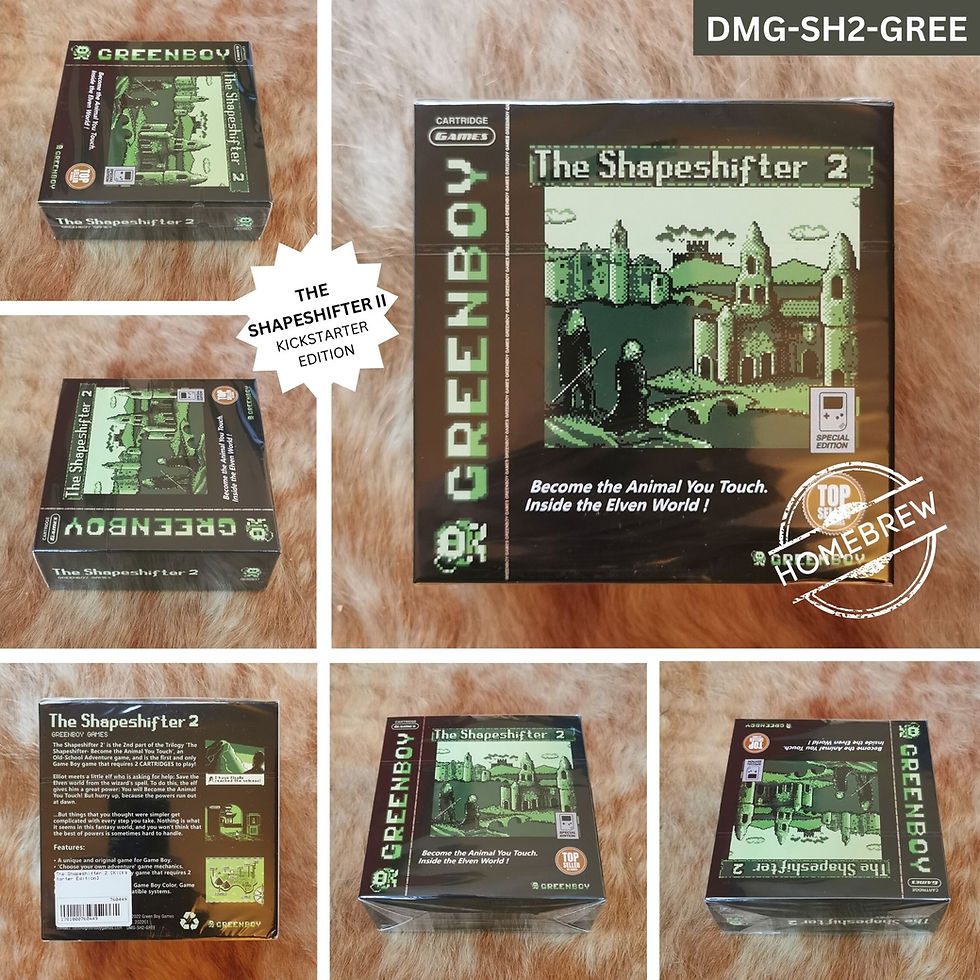
Bootlegs and Flashcarts, Part 3: New Games for an Old Machine meets three of them, from Greenboy Games, Incube8 and Broke Studio, and asks what it means that the grey brick is still a living platform with a release calendar of its own.
EverDrive and the flash cartridges in the collection

For a closer look at the hardware that makes all of this possible, EverDrive and Beyond: The Game Boy Flash Cartridges in the Collection tours the flash cartridges and backup devices on the museum's shelves. It runs from the SD-card EverDrive down to the grey-market multicarts and the Flash Boy dumper, and explains how one rewritable chip quietly rewired the way people play.
Clones, multicarts and the grey market abroad
The grey market was never only a Western curiosity. The Game Boy in Asia: Clones, Multicarts and the Grey Market follows the console through China's console ban, clone handhelds and hundreds-in-one multicarts across a region where millions met the Game Boy through the back door rather than a Nintendo shelf.
None of this is an invitation to cut corners or to download what you have not paid for. It is an invitation to understand the whole Game Boy, the licensed and the unlicensed alike, and to respect the community that refuses to let it fade. If that mix of careful history and cheerful mischief appeals to you, come and browse the rest of the collection at gameboymuseum.com. For the wider picture, see the Game Boy's grey-market shadow economy.
The Full Series
Part 1: Every Game on One Cartridge · Part 2: The Do-It-Yourself Game Boy · Part 3: New Games for an Old Machine


Comments