
The World's Largest Room for Play: The Strong and ICHEG

Most collections in this field are one person, a shelf, and a lot of stubbornness. The Strong National Museum of Play in Rochester, New York, is what happens when that same instinct is given a building the size of a city block and half a century to grow. It is the largest museum of play in the world, and inside it sits the single most important home video games have anywhere: the International Center for the History of Electronic Games.
The world's most comprehensive game collection
ICHEG cares for more than 60,000 artefacts and hundreds of thousands of archival items, the most complete collection dedicated to the history of video games anywhere on earth. It is not only cartridges and consoles. It holds the personal papers of the people who built the medium: Ralph Baer, who fathered the home console; Jerry Lawson, who gave us the interchangeable cartridge; Carol Shaw, one of the first women to design games professionally; Jordan Mechner, Bill Budge, Ken and Roberta Williams. Alongside them sit the business archives of Atari, Sierra, Broderbund, Midway and more. This is where the paper trail of an entire industry is kept safe.
ICHEG's own description of its work is plain and worth repeating: it collects, preserves, studies, and interprets video games and the world they came from. More than half a million people a year walk through the exhibits built on that collection.
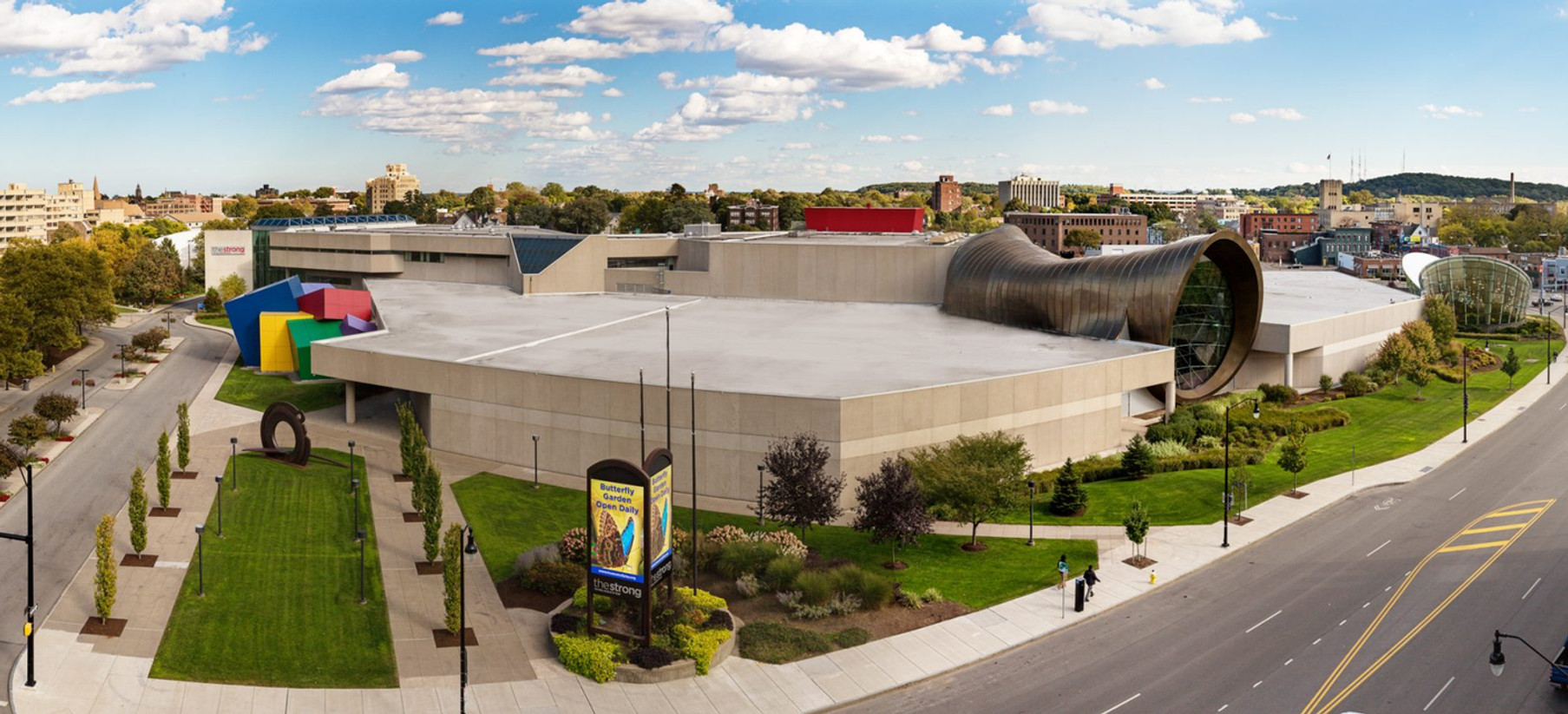
Play you can switch on
What makes The Strong unusual is that it refuses to treat play as something to admire from behind glass. It is a museum you actually use. That matters especially for video games, a medium you only understand by picking up the controller. Preserving them properly is harder than preserving almost anything else, because a game is not just an object, it is a piece of software that needs working hardware and living knowledge to run at all. ICHEG has taken that seriously since 2011 through its Video Game Play Capture Project, recording games in action so that the experience survives even when the machines eventually fail.
That is the same worry that drives every good archive, at any scale. If you do not preserve this while the objects still work and the people who made them are still here, much of it quietly disappears.
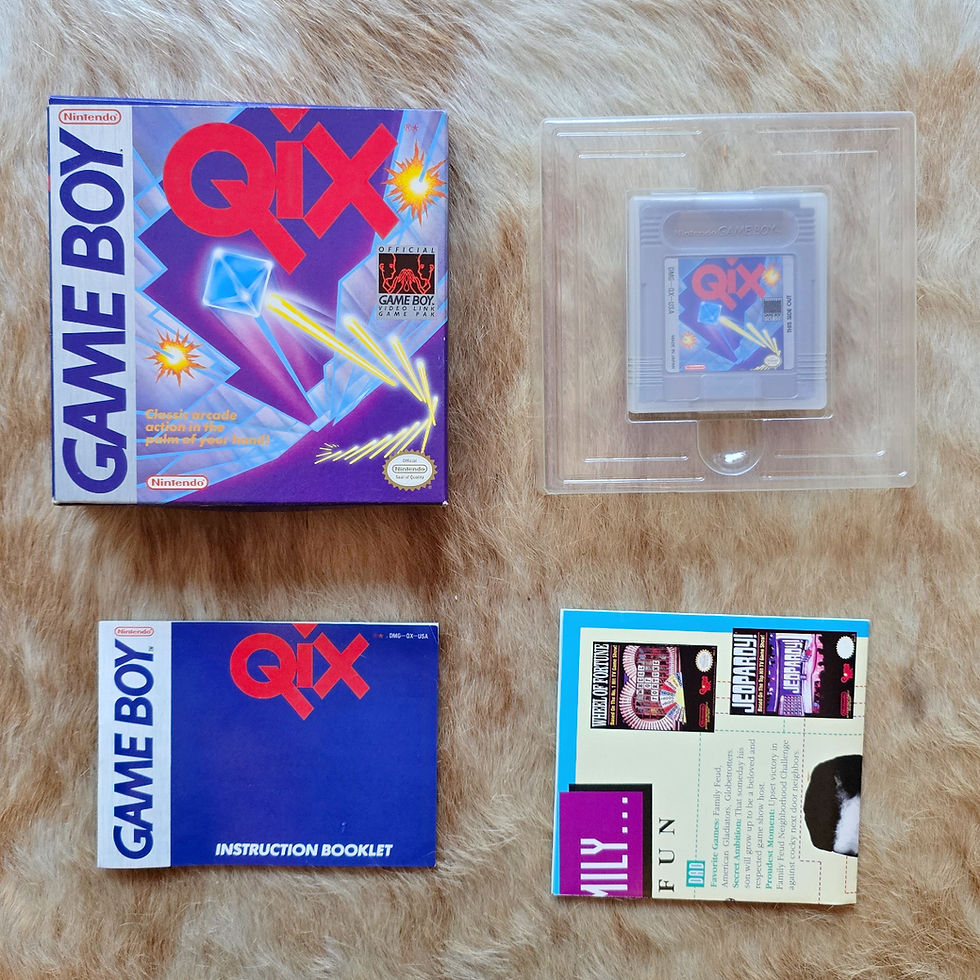
The Game Boy's place in the halls
The Strong is also home to the World Video Game Hall of Fame, which since 2015 has inducted the games that changed the medium. The Game Boy runs straight through it. Tetris, in the very first class of inductees in 2015, is the game millions of people met not in an arcade but on a Game Boy on a bus or under the covers. Pokemon Red and Green, inducted in 2016, launched a phenomenon that still shapes the industry, and it launched on that same grey handheld. The little machine documented object by object here is where two of the Hall of Fame's most important games first reached the world.
The machine itself has a place at The Strong too. Back in 2009 the Game Boy was inducted into the museum's National Toy Hall of Fame, taking its spot among the objects judged to have shaped how the world plays. It is a fitting honour for a handheld that turned a generation into gamers, and a reminder that the Game Boy is now treated not just as old electronics but as a genuine cultural artefact.
A kindred spirit, a thousand times over
This is a single-machine museum writing about the largest museum of play there is, and the two could hardly differ more in scale. But the impulse is identical: to take something people once thought disposable and treat it as culture worth keeping. Institutions like The Strong make that argument loudly and at the national level, that games are heritage, and in doing so they hold the door open for everyone doing the smaller, quieter documentary work elsewhere.
If you are ever in upstate New York, The Strong is worth the trip: tens of thousands of games and the whole history of play under one roof, much of it there to be picked up and played. You can plan a visit, explore the collections, or support the preservation work at museumofplay.org. Much of that collection can also be searched online through The Strong's public catalogue. A museum this size devoting itself to play, and fighting to keep the medium's history alive, is a genuinely important thing.



Comments